Oxytocin (AKA ‘The Love Hormone’) – Everything You Need To Know
Imagine a hormone so powerful it can make you fall in love, strengthen your bond with your partner, and even enhance the pleasure you get from intimacy. Sounds like something out of a romance novel, right?
Well, meet oxytocin, affectionately known as “the love hormone.” This magical little molecule is the secret sauce behind some of the most cherished moments in our lives. So, grab a cozy blanket, pour yourself a glass of something nice, and let’s dive into the world of oxytocin!
What Is Oxytocin?
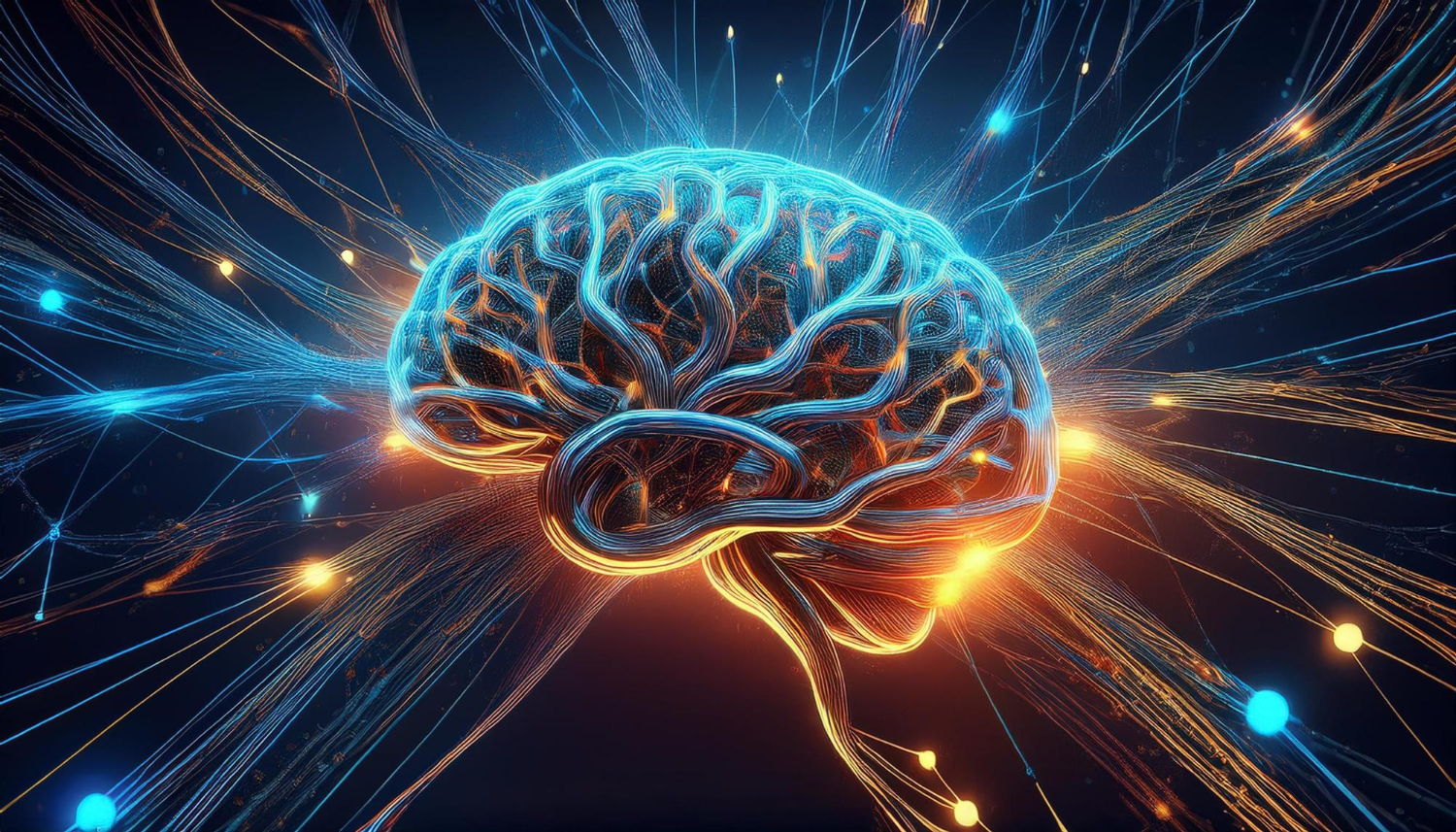
At its core, oxytocin is a neuropeptide, which is a fancy way of saying it’s a type of protein that your brain produces. It’s primarily made in the hypothalamus and released by the pituitary gland.. But don’t let the science jargon scare you—oxytocin is all about the warm and fuzzies.
In terms of ‘feel good’ hormones, it’s another in your brain’s arsenal, similar to dopamine and serotonin.
Oxytocin was first discovered in the early 20th century by Sir Henry Dale, who won a Nobel Prize for his work on it. He found that it played a crucial role in childbirth and lactation, which also earned it the nickname of “the cuddle hormone” or “the bonding hormone.” Fast forward to today, and we now know it’s involved in a whole host of social and emotional behaviors.
Think of oxytocin as a tiny cupid dart, but instead of an arrow, it’s a chemical messenger that travels through your bloodstream to various parts of your brain and body. When oxytocin binds to its receptors, it triggers a cascade of physiological and psychological effects that make you feel all warm and connected.
How Oxytocin Works
Oxytocin is often referred to as the bonding or love hormone because it helps strengthen social connections. Here are a few ways it does this:
1. Trust and Empathy: Oxytocin increases trust and empathy, making it easier for you to form and maintain close relationships. It’s like the social lubricant that helps everything run smoothly.
2. Stress Reduction: When you’re feeling stressed, a little oxytocin can help calm you down. It’s like a natural chill pill that helps you relax and feel more at ease.
3. Memory Formation: Oxytocin is involved in the formation of social memories, helping you remember important moments and people in your life.
It’s not just humans who get a boost from oxytocin. Certain mammals, known for their lifelong monogamous bonds, have high levels of oxytocin. So, the next time you see a cute pair of prairie voles for example, you’ll know they’re probably getting their oxytocin fix!
Oxytocin At Various Stages Of Your Love Life
When it comes to love, oxytocin is the real deal. Here’s how it plays a starring role in your romantic life:
Falling in Love
Have you ever wondered why you feel so giddy and happy when you’re falling in love? That’s oxytocin at work. It’s like a natural high that makes you crave the presence of your partner. When you’re around them, your brain releases oxytocin, making you feel all warm and fuzzy.
Love at First Sight
Ever heard of love at first sight? Turns out, it’s not just a romantic myth. When you meet someone and feel an instant connection, it’s likely because your brain is releasing a burst of oxytocin. It’s your body’s way of saying, “Hey, this person is special. Pay attention!”
Deepening Your Bond
Oxytocin also helps deepen your bond over time. As you spend more time with your partner, your brain continues to release oxytocin, reinforcing the positive feelings you have towards them. It’s like a positive feedback loop that strengthens your relationship over time.
The Power of Touch
Physical touch, like hugging, holding hands, and kissing, can all boost oxytocin levels. So, the next time you’re feeling a little distant, try giving your partner a big hug. It’s a simple but powerful way to reconnect and strengthen your bond.
This is part of why physical touch is so important to relationships – both early on, and even long after marriage!
But What About Sex?
When it comes to intimacy, oxytocin is the ultimate aphrodisiac. Here’s how it enhances your romantic and sexual experiences:
First, oxytocin plays a significant role in sexual attraction and arousal. When you’re sexually stimulated, your brain releases oxytocin, which can increase your desire and make you more responsive to touch. It’s like turning up the volume on your pleasure receptors. It’s VERY present during foreplay and can do a lot to enhance the romantic atmosphere!
Kissing before sex – or simply throughout the day, is a great way to boost oxytocin levels. In fact, a study found that couples who kissed more frequently had higher levels of oxytocin and lower levels of stress. So, if you want to feel more connected and less stressed, steal a few more kisses from your partner!
But what about as the sex progresses? Well, oxytocin is also released during orgasm, and it plays a crucial role in enhancing the pleasurable sensations you feel. It’s like the cherry on top of an already delicious sundae.
But, its effects don’t end there!
Ever noticed how you feel super relaxed and happy after having an orgasm? That’s thanks to oxytocin. It helps create that cozy, contented feeling known as the “afterglow.” So, the next time you’re enjoying that post-sex snuggle, thank oxytocin for the warm and fuzzies.
How To Boost Your Oxytocin Levels Naturally
If you’re looking to boost your oxytocin levels, here are a few fun and effective ways to do it:
Physical Touch
As mentioned earlier, physical touch is a great way to release oxytocin. Hugging, kissing, holding hands, and cuddling can all give you a healthy dose of the love hormone. So, don’t be shy – get close and personal with your partner!
Laughter
Laughter is another fantastic way to boost oxytocin levels. It’s been shown to reduce stress and increase feelings of well-being. So, the next time you’re feeling down, try watching a funny movie or sharing some silly jokes with your partner. Laughter truly is the best medicine!
Couples who laugh together, stay together. Shared laughter can strengthen your bond and increase your oxytocin levels, making you feel more connected to each other, and happy overall.
Exercise
Exercise is a natural mood booster, and it can also help increase oxytocin levels. Whether it’s a brisk walk, a yoga session, or a dance party, moving your body can help you feel more relaxed and connected.
Dancing together is a great way to boost oxytocin levels. It combines physical touch, exercise, and fun, making it a triple threat for increasing the love hormone. So, the next time you’re looking for a romantic date night, try a dance class or a spontaneous living room dance party!
Listening and Empathy
Showing empathy and actively listening to your partner can also increase oxytocin levels. When you make an effort to understand and support your partner, it can strengthen your bond and make you both feel more connected.
Remember that active listening isn’t just about hearing words; it’s about being fully present and engaged. When you give your partner your undivided attention, it can boost oxytocin levels and deepen your connection.
Conclusion
So, there you have it – everything you need to know about oxytocin, the love hormone. From falling in love to deepening your bond and enhancing your intimate experiences, oxytocin is a powerful and wonderful little molecule. The next time you’re feeling all warm and fuzzy, you can thank oxytocin for the magic.
Remember, the key to a happy and healthy relationship is all about connection. Whether it’s through physical touch, laughter, exercise, or active listening, there are countless ways to boost your oxytocin levels and strengthen your bond with your partner. So, go ahead, hug a little tighter, laugh a little louder, and enjoy the beautiful moments that oxytocin helps create.
Thanks for reading, and here’s to many more cozy, connected moments with your special someone!
~ Lexi

Lewd Lexi is a professional adult voice actress, phone sex operator, and sexuality educator. Here on LewdLexi.com, she shares not only her newest releases and projects, but works to provide resources to give everyone a better sex life!